

Widow's Bae
Or what Widow's Bay gets right about isolated communities (and what it doesn't)

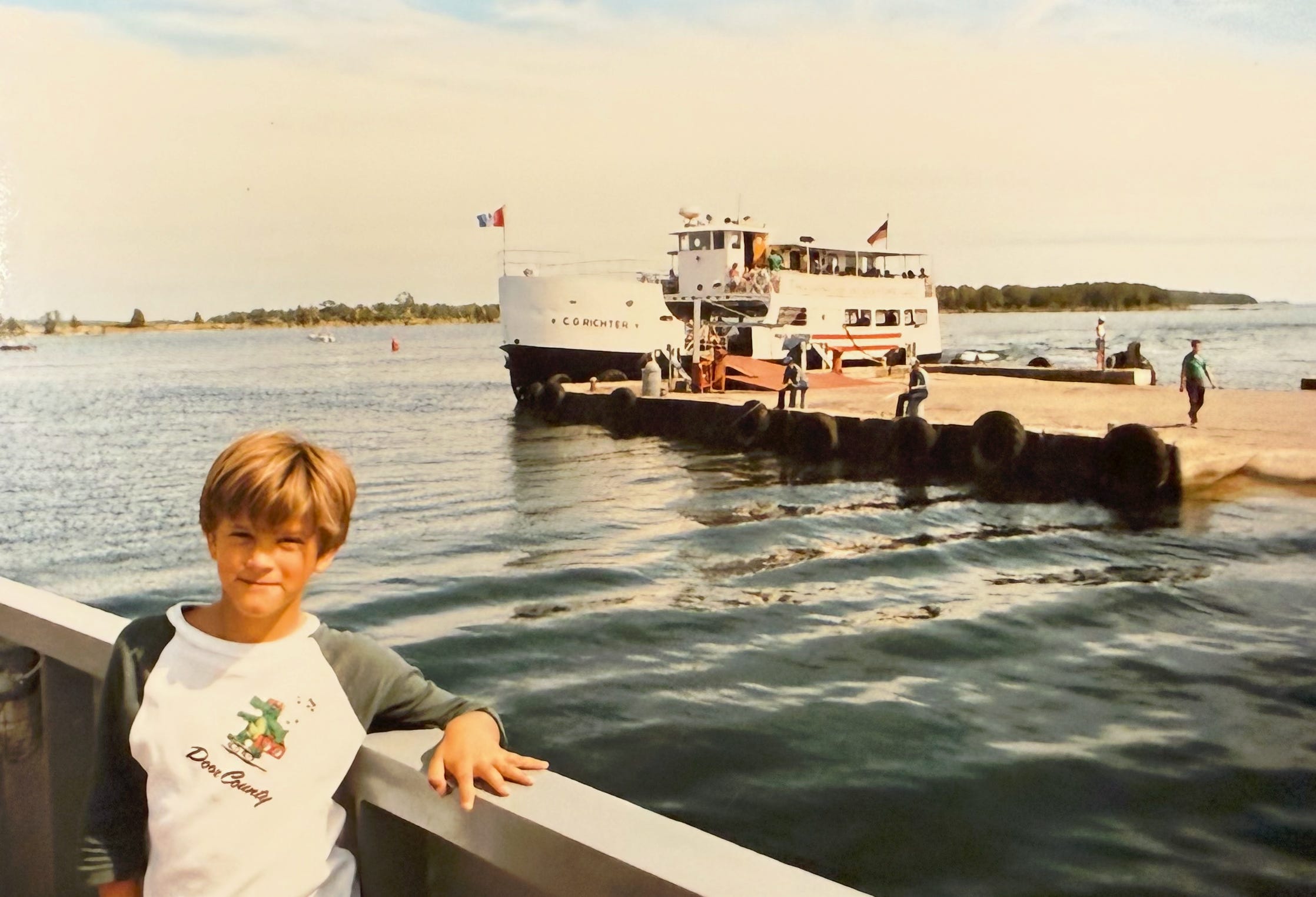
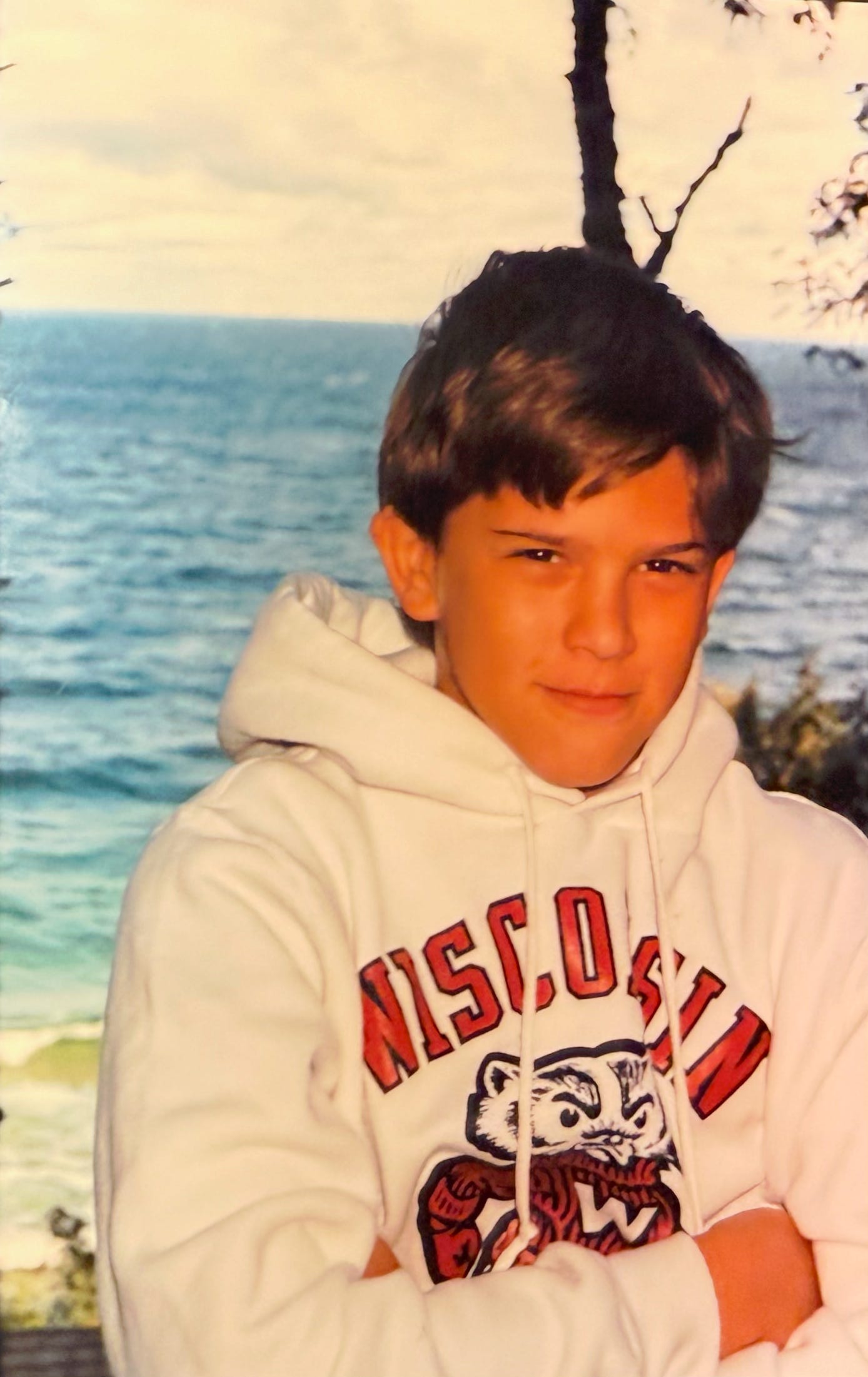
Some deep Charles Jensen lore involves the story of how my parents and I lived on an island in Lake Michigan, accessible only by boat, when I was in 8th grade. Washington Island had a year-round population of 500 that ballooned to 2,000 or 3,000 each summer at the height of tourist season. My parents had dragged me there on vacation for the previous four years. It was one of the only places we vacationed in my childhood.
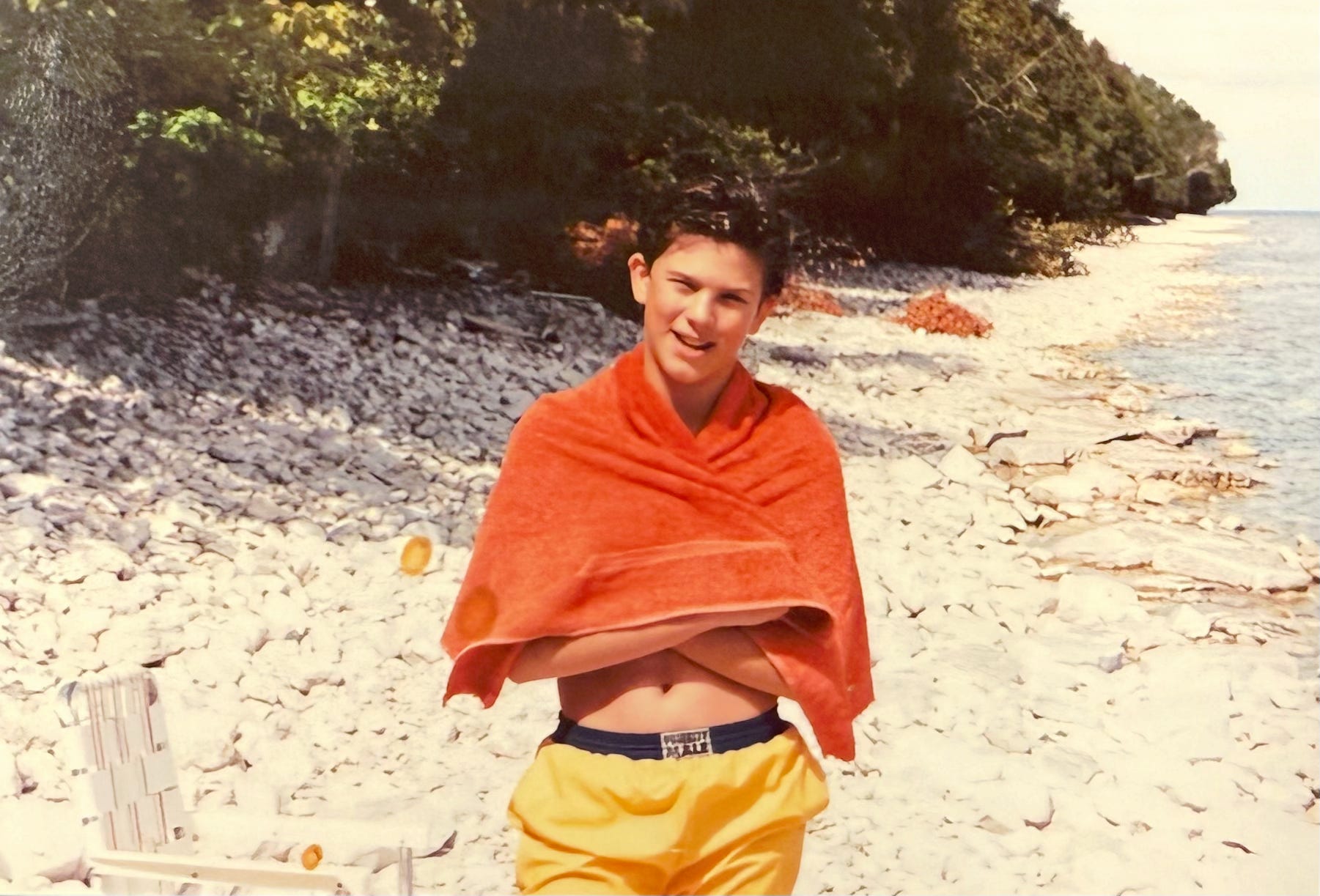
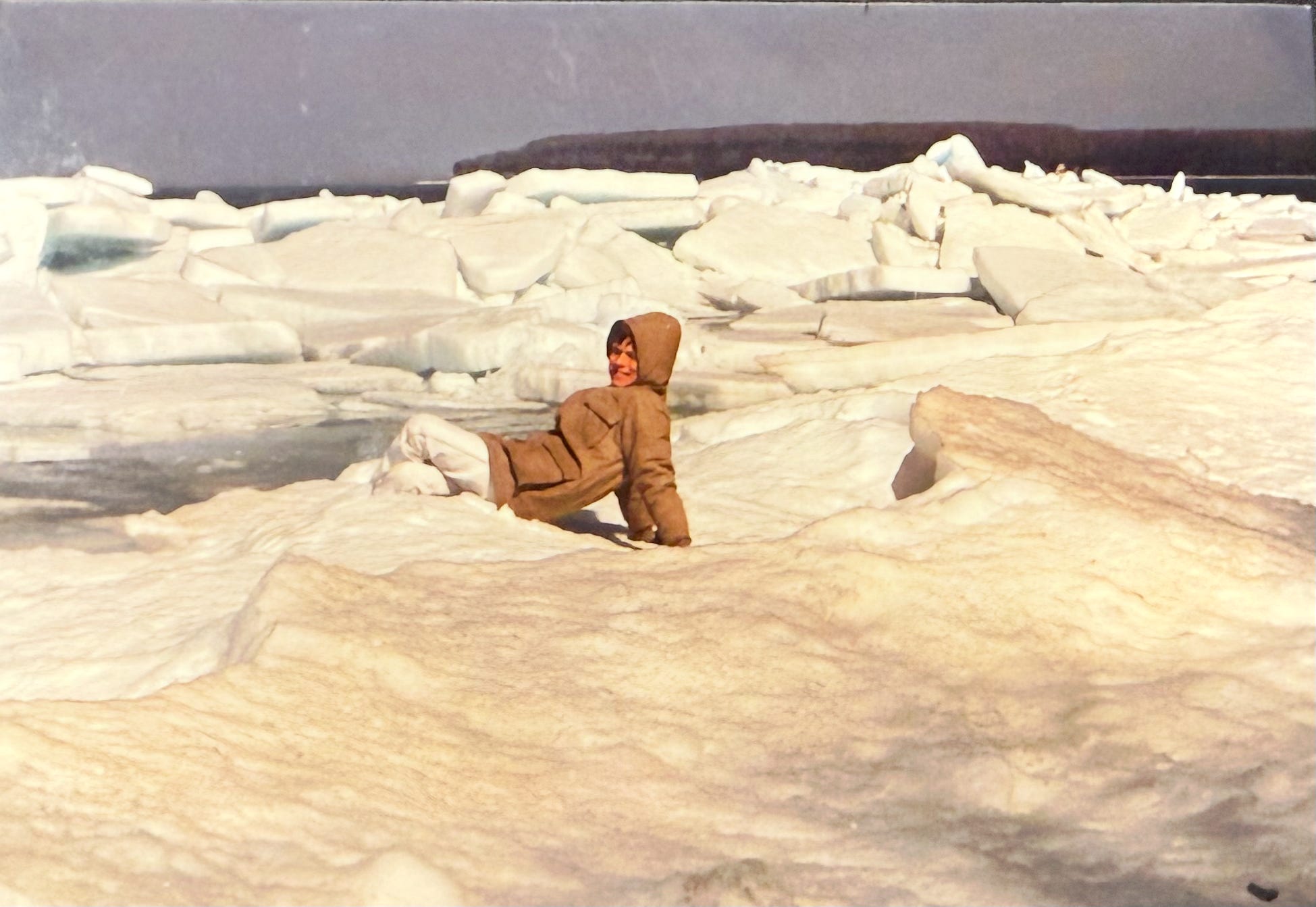
My 8th grade class had 11 students. Most of my classmates were related to each other and to the other 90 or so students in the K-12 school. My family lived in a tiny two-bedroom house (“cottage” is too cute for the prefab home but is more descriptive of the size of the place). It was right on the north shore, and I had a front-row seat for the wild weather and dramatic “ice shoves” on the beach (this is when storms blow the frozen lake into haphazard stacks of giant ice chunks, below, with my exuding early-onset fabulousness).
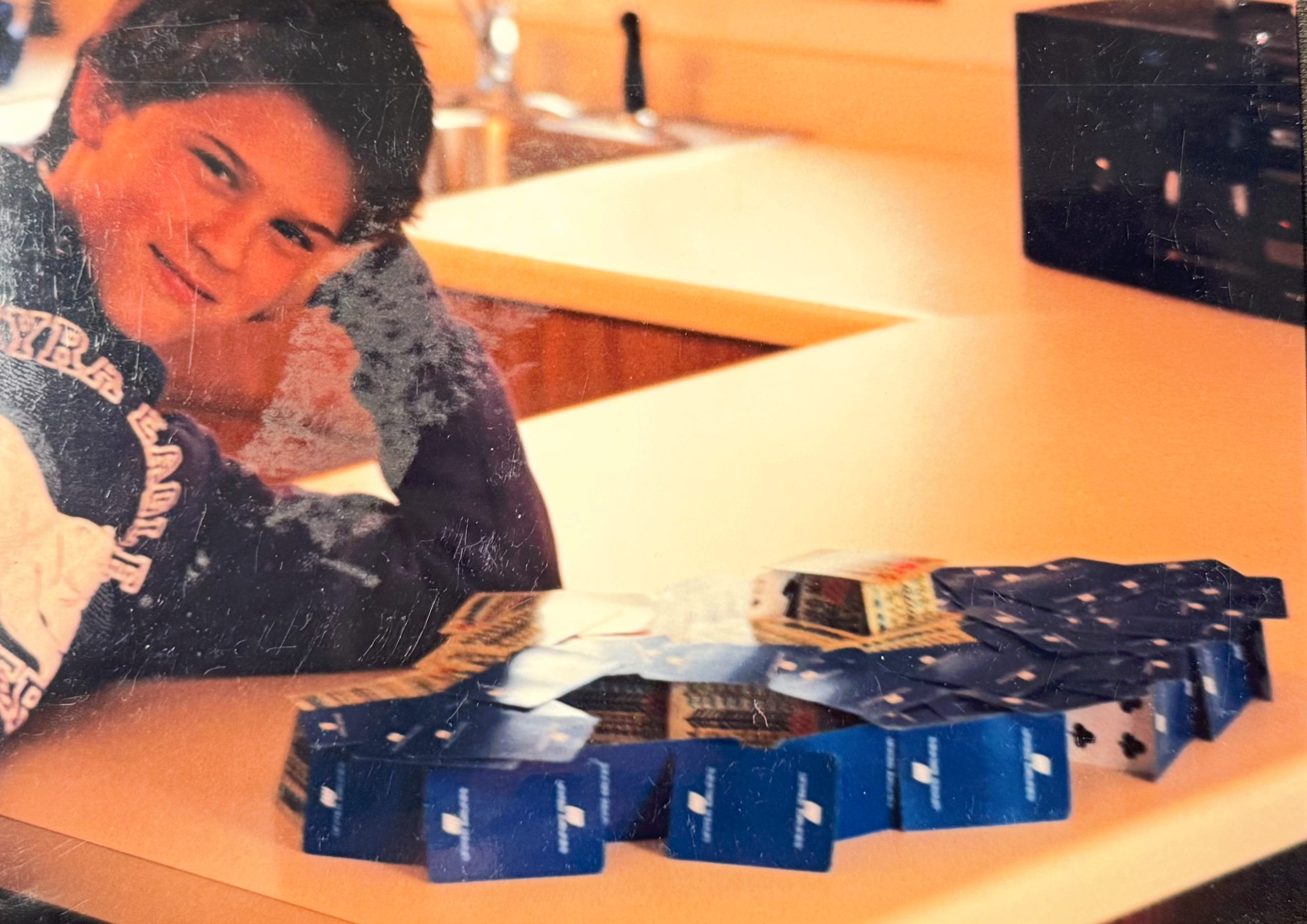
We didn’t have a TV, but it didn’t matter because with just rabbit ears there was no reception of stations from Green Bay, WI, or Escanaba, MI. I read a lot of books. I wrote a lot. I took piano lessons. I went to Teen Night most Fridays at the Community Center, which was mostly kids sitting around drinking soda, listening to the worst of pop and country radio, and playing cards. Most of all, I was bored. Extensively.
From my vantage point in adulthood, I appreciate those days now, and that place more generally. It’s been part of my life since I was 8, and my dad still spends his summers there. It’s more present to me than the small town I grew up in, which I have no reason to visit anymore. As a child, leaving my rural hometown with no stoplights to vacation in an even smaller, more remote, and more isolated place wasn’t exiting. But as an adult, leaving the second largest city in the US to disappear in the foliage is.
It’s through these two lenses I watch Widow’s Bay—the adult I am now, and the child and teen I was. (Disclosure: I’ve not yet finished the season.)
What Widow’s Bay gets right
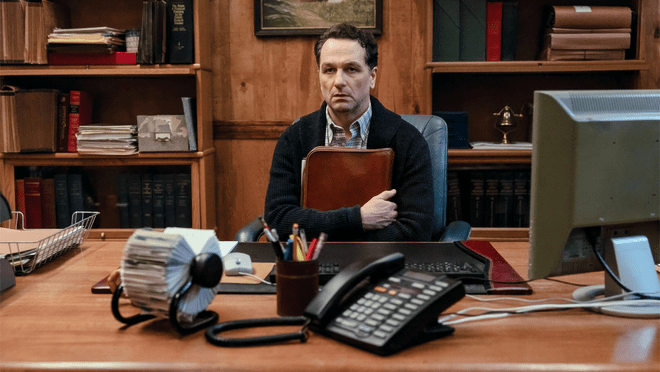
Mayor Tom (Matthew Rhys) resonates a lot with me as someone who vacationed on Widow’s Bay and then returned to live there as an adult. I notice that while he is acknowledged to have power within the town, most of the locals don’t really respect him—they more put up with him than appreciate his leadership. That feels right to me. In communities like this, especially islands with ferries, there is always a significant insider/outsider dynamic. An outsider can never become an insider. Tom will never be an islander, even if his son Evan is. At the same time, there is a streak in Tom’s character that makes it clear he believes he’s smarter than the islanders—a claim repeatedly refuted in these first episodes as Tom encounters and contends with the phantoms and disturbances of the landscape.
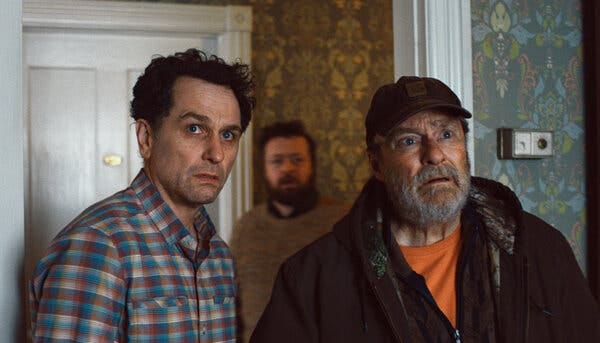
Wyck (Stephen Root) is the perfect foil for Tom as he embodies the kind of small town/small mind mentality cityfolk would expect on the island. But Wyck not only saves Tom from close scrapes, he’s often the smartest voice in the room about surviving the island’s curses. That Wyck looks like ten miles of rough road only confirms people like Tom will underestimate him, while real ones (islanders) know Wyck would make a better mayor in a heartbeat—if he wanted it.
The islander/outsider dynamic seems to contribute to a rift between Tom and Evan, an identity distinction growing only more pronounced as Evan grows up. Evan feels both the comfort and safety of a community where his hijinks don’t really put himself or others in much danger, as well as a sense of imprisonment that serves as the cost of this safety. With the superstition that those born on Widow’s Bay die upon visiting the mainland, his parents’ choice to give birth to him on the island may have sealed his fate. But what they likely didn’t expect was how much his identity as an islander would shape him into someone distinct from his family. The place of his birth is a more dominant factor in his identity than the blood of his birth. Let that sink in. The schism in Tom’s family is a close-up view of the social order on the island writ large. Islanders and non-islanders don’t (or at least shouldn’t) mix.
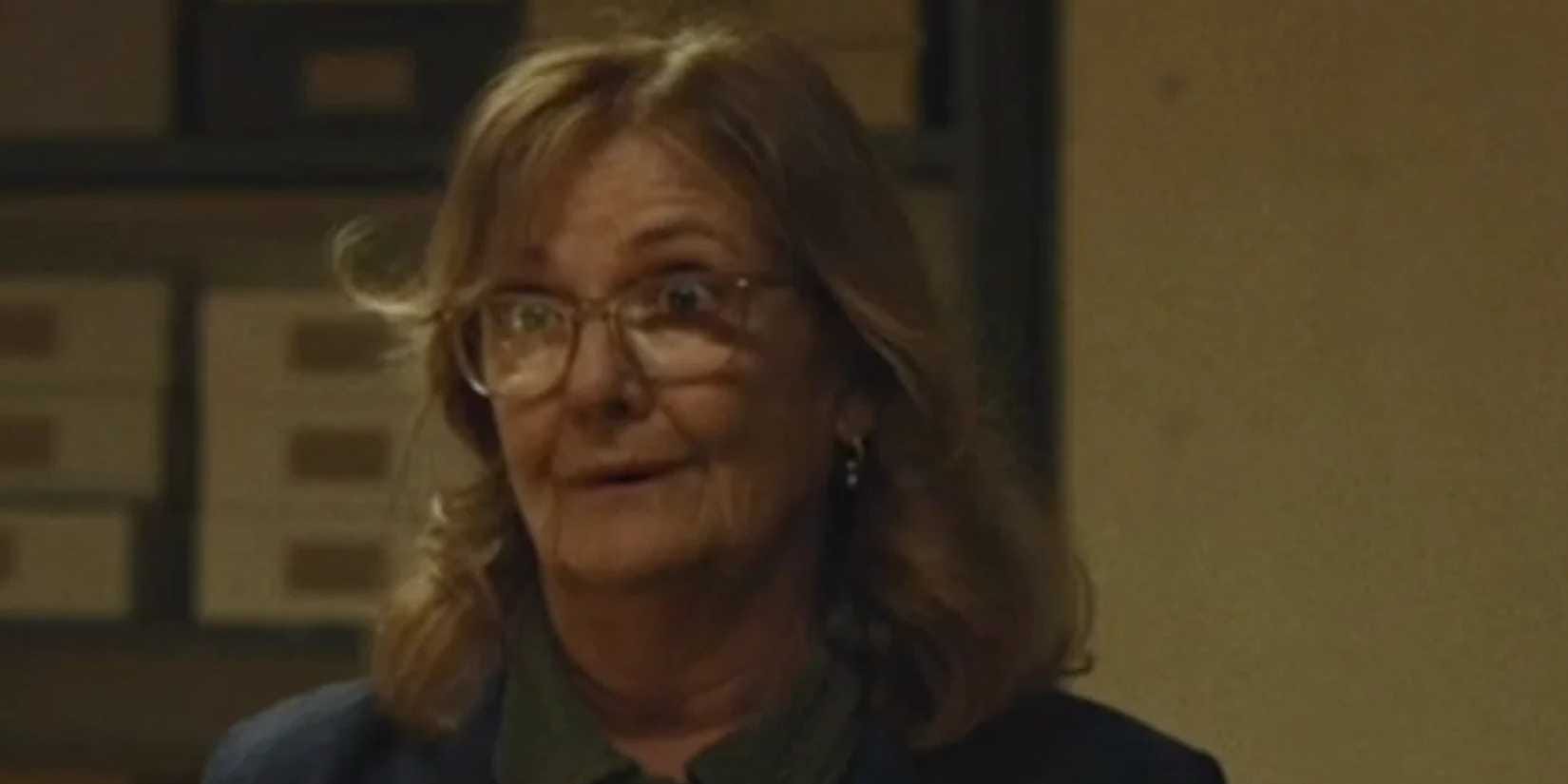
Gerrie (Nancy Lenehan), the town’s historian, is an accurate gem. Her unexamined belief that the Widow’s Bay witch trials were a bright moment (“We caught ‘em. We burned ‘em.”) feels right for a community like this—largely because island history (both what is recorded and what gets passed down through families as lore) was written by the victors of that time and, in the absence of differing contextual information from the mainland, remained unquestioned. Most viewers might laugh at Gerrie’s pride in this historical tidbit as an extension of the same estimation Wyck gets, but those viewers don’t know what forty miles of open water means not only for a culture, but for information. We might forget the Internet was promised as a way to make information more accessible, but we unfortunately discovered that bad information travels as well as the good—and only finds the people who are looking for it. As a society, we haven’t identified the best way to deal with structural information deficits. (Also shout out to my Buffy stans who clocked Nancy Lenehan as Pat from Season 3’s “Dead Man’s Party,” where she’s compelled to put on an evil mask that makes her the leader of an undead army….well, you had to be there.)
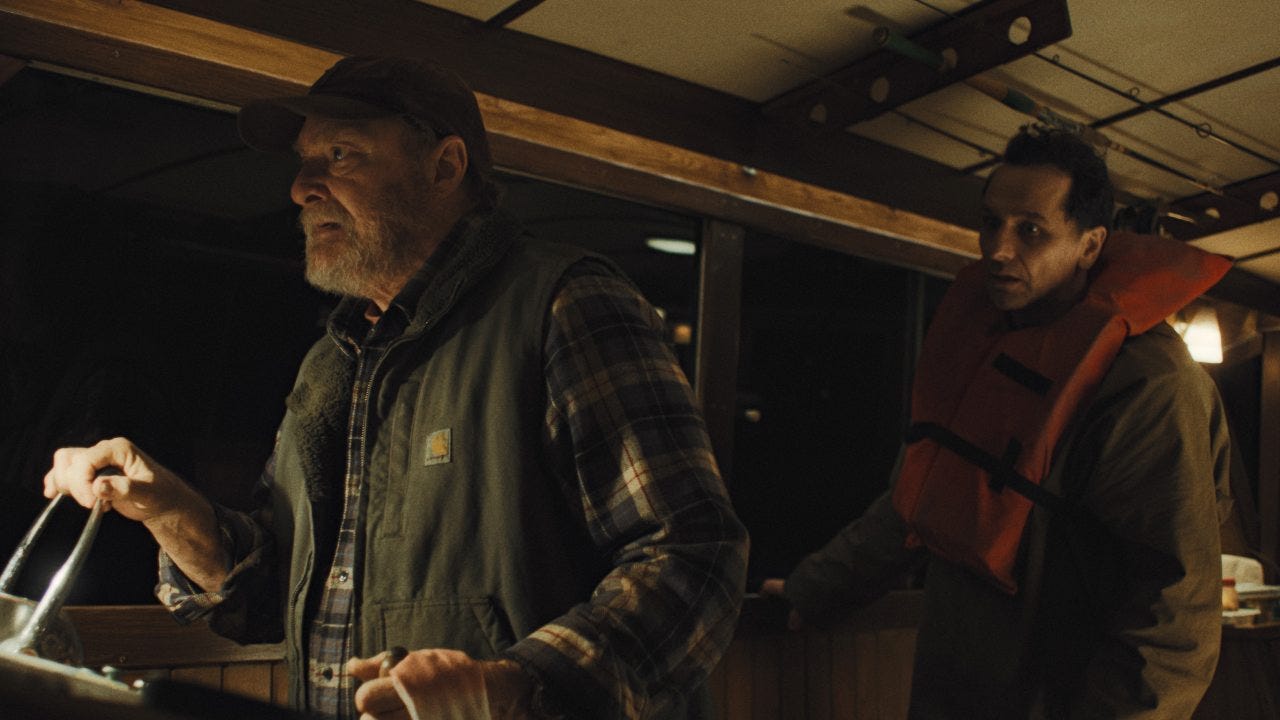
And that’s another thing this show gets right. Widow’s Bay is 40 miles off the coast. That’s a long way. A 3-hour ferry ride puts a lot of distance between islanders and the rest of society, and for most of its history I would guess Widow’s Bay was not readily accessible to mainlanders, and the mainland essentially off-limits to islanders (curse or not). That’s the kind of distance that allows unique culture to develop—the kind of thing a mainlander might regard as idiosyncratic, but which and islander would consider merely correct.
Lastly, Widow’s Bay correctly represents the islanders are deeply socially connected to one another and to their island, and it reinforces that while many of them may not have had access to higher education (which I think is another aspect of Tom that isolates him from the core community), they are still an essential kind of smart that Tom isn’t and can never be.
Where Widow’s Bay missed
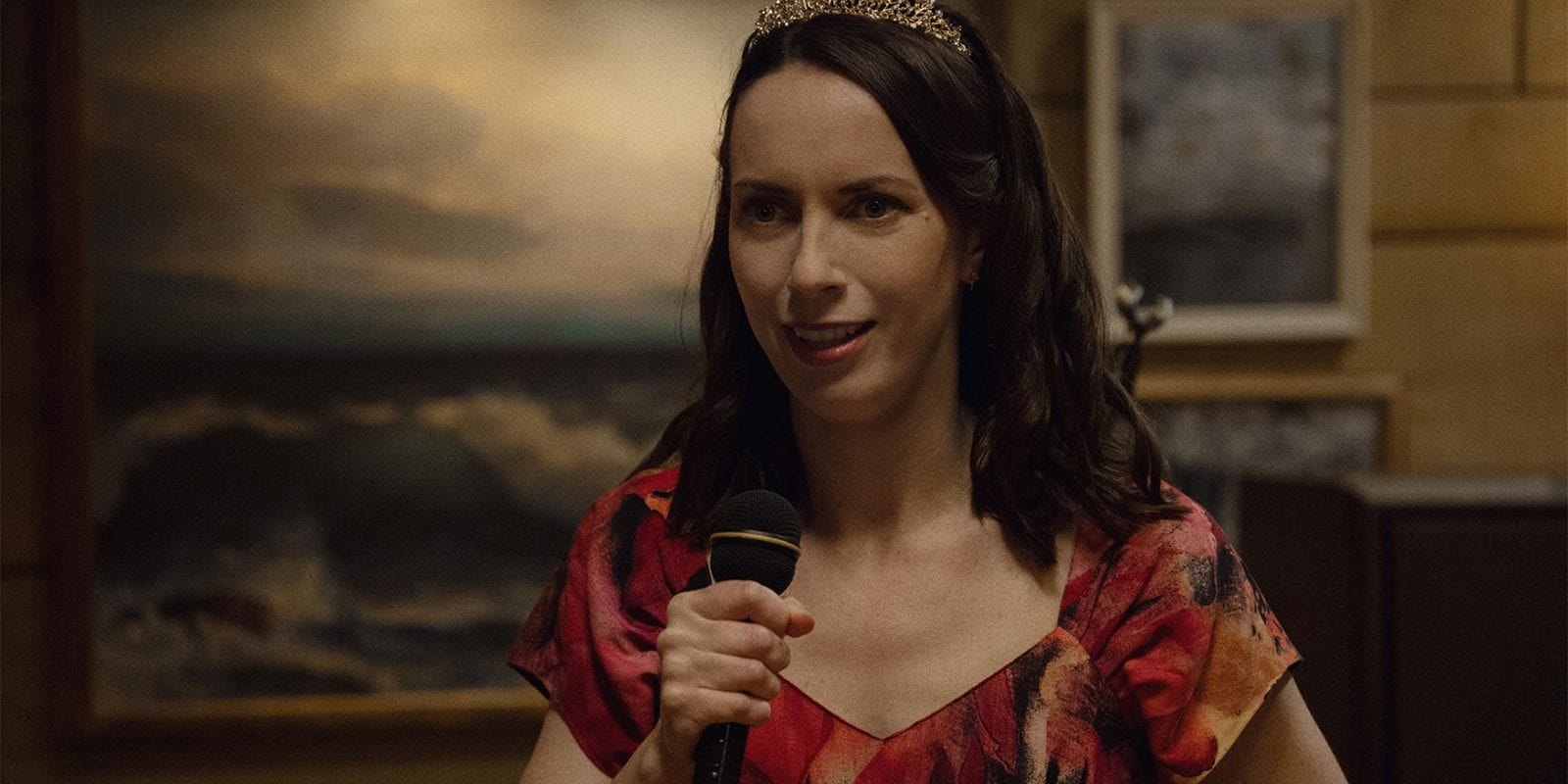
I loved the episode when Patricia’s Sunset Cocktail party goes awry, in part because we see some of the island’s social history play out. The women she went to high school with don’t want to talk to Patricia after Patricia claims to have escaped death at the hands of local serial killer The Boogeyman, while many other teen girls were slain. As a pariah among her classmates, Patricia is doubly ousidered—she is neither of the mainland nor invited into the social fold of the island. This makes her a secret third thing, like Tom, another social hybrid of neither/nor.
But I think Widow’s Bay worst offense in its setting is that not enough people are related by blood and marriage. I mentioned that most of the kids in school were related to each other. What that also means is every family on the island ultimately becomes part of an intricate genetic web. This factor should be enhanced by the fact that islanders can’t or won’t leave for the mainland, and only mainlanders can settle in the community to bring additional genetic diversity into the mix.
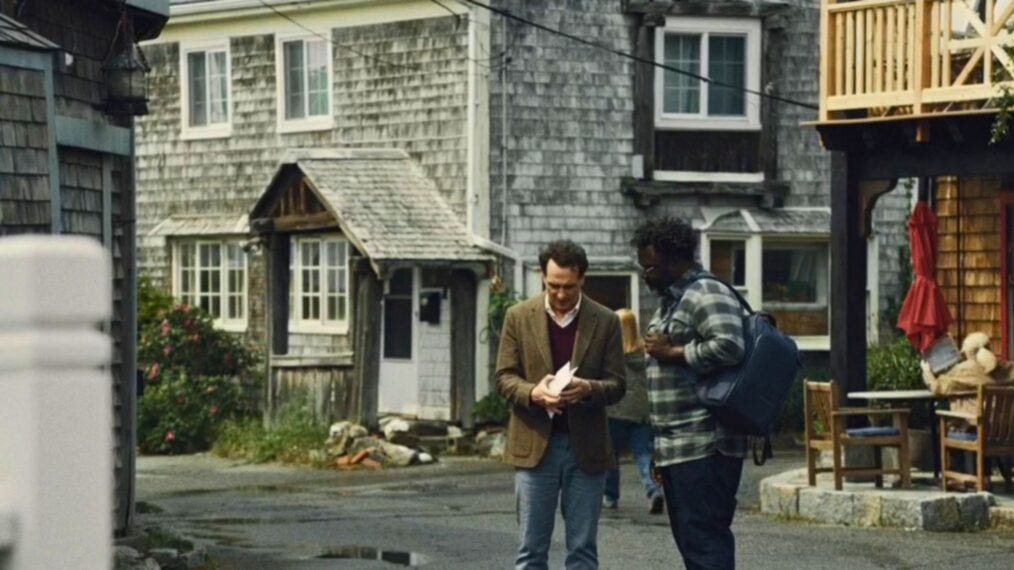
The assumed interrelation of a town like makes it hard to grow up and become a fully realized adult. Identities from childhood doggedly follow people well into their adult life, and for men in particular this can become infantilizing. It would also contribute to multigenerational homes, or minimally the presence of aunts, uncles, cousins, grand parents, and great-grandparents (as the island culture would emphasize early marriage) in every sphere of life, from school to church to restaurants and shops to town hall itself. You cannot shit talk on an island like this unless you expressly want that person to know you said it. You probably said it to their cousin.
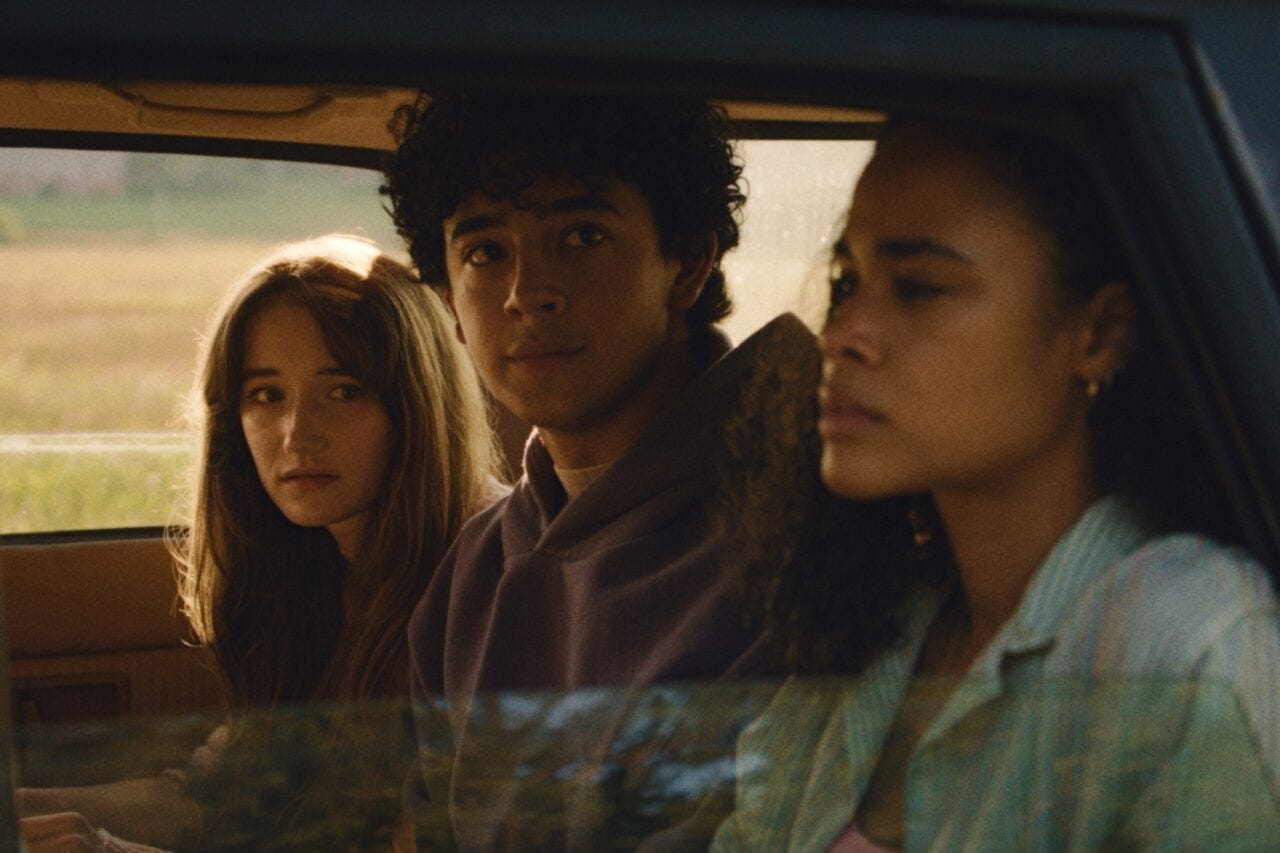
I think part of Evan’s rebellion is plugged into his withdrawal from his family identity and deeper investment in his friend group. Tom and Evan are not the same, even though related, and Evan has more in common with his peers who are also islanders. Evan will be expected to lead an islander’s life—that is, expressly not the life of his father.
The year I lived on Washington Island, I started to feel the identity shift of being more connected to the island than my parents were. I didn’t want to leave when that year was up—for about 100 reasons, not the least of which was returning to my rural hometown and bussing to the next town over for high school, where I’d have to rebuild a social life for myself. There would have been an ease to staying, though I was too young to fully understand the costs of that decision in the way Evan has started to. At the time, I just remember wanting some stability and some sameness, and also the comfort of being in that place as a full-fledged community member and not just a temporary resident.
There isn’t much Widow’s Bay didn’t get quite right, and at the end of the day when I watch it, I empathize a lot more with the islanders than I do with Tom, even though he’s our main point of view character.
“You cannot shit talk on an island like this unless you expressly want that person to know you said it”…made me think of Casey Moore’s in Tempe in the early 2000s